By Zoe Klaus
October 7, 2026
Maintaining the structural integrity of a residential or commercial property relies heavily on the strength, quality, and stability of its primary support base. Among the various structural base types used in modern architecture, poured concrete slab bases stand out as one of the most widely chosen methods for structural support. These solid, monolithic concrete surfaces rest directly on the ground, offering a level, durable platform that supports the entire weight of framing, roofing, interior walls, and mechanical systems. However, environmental factors such as shifting soil conditions, seasonal moisture variations, poor drainage, and natural ground settlement can gradually threaten structural stability over time. When structural shifts occur, addressing minor defects promptly prevents catastrophic damage, preserving property value and ensuring long-term safety for occupants.
Navigating structural maintenance requires recognizing early warning signs of ground movement and understanding the specialized repair techniques needed to restore structural balance. Issues like hairline surface fractures, sticking doors, uneven flooring, and exterior masonry cracks indicate that underlying support systems require professional attention. Comprehensive structural support encompasses precise diagnostic evaluations, advanced leveling methods, sub-surface soil stabilization, and preventative moisture control strategies. Engaging experienced structural repair professionals guarantees that your property receives customized interventions tailored to its specific soil conditions and architectural demands. By investing in dedicated foundation services, property owners protect their real estate investments, maintain interior comfort, and secure their buildings against costly future structural failures.
Understanding the Structural Dynamics of Concrete Slabs
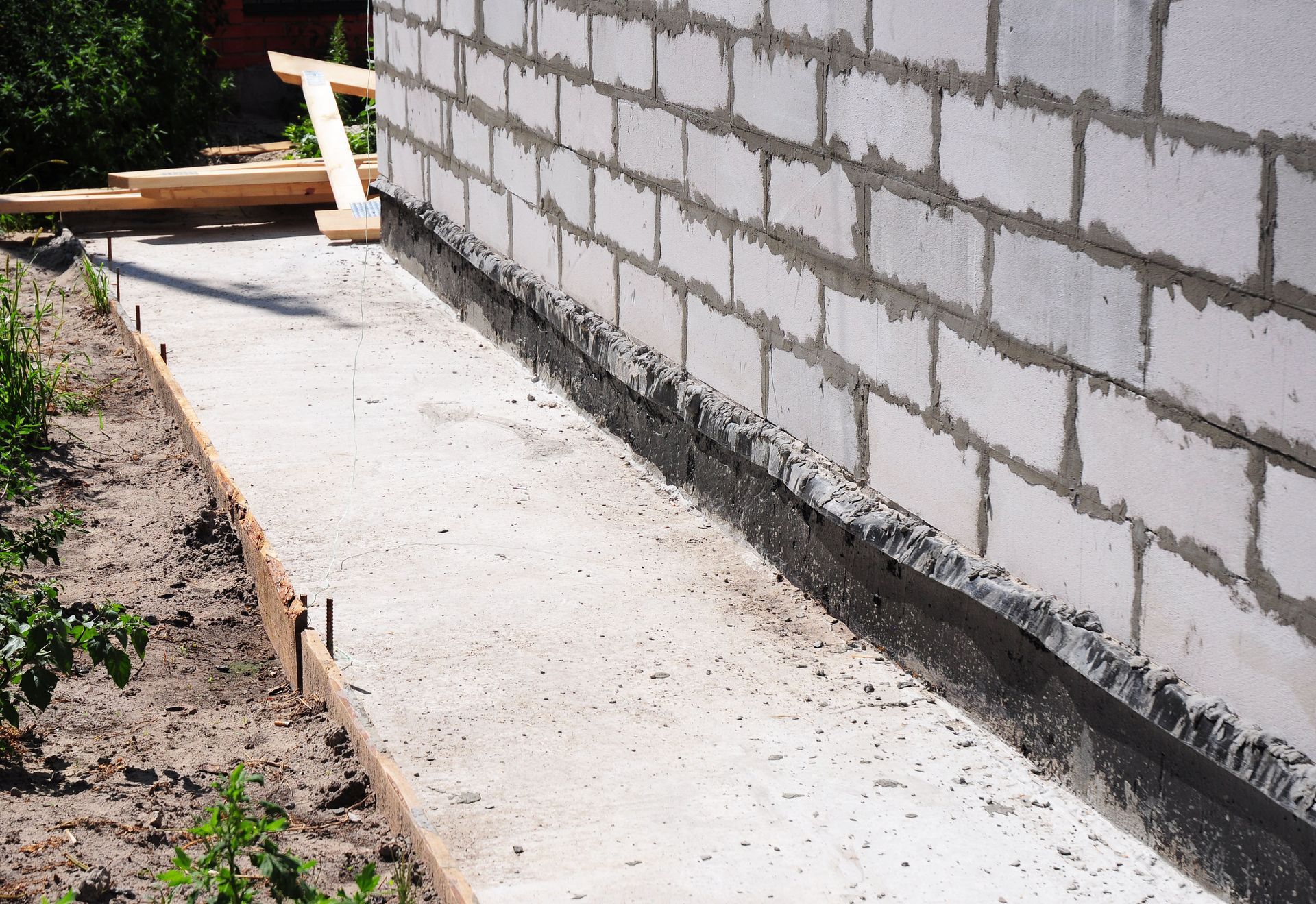
Constructing a durable, monolithic concrete slab requires careful preparation of the underlying soil, installation of steel rebar reinforcement, and precise concrete pouring techniques. Concrete slab support bases serve as both the primary weight-bearing platform and the interior subfloor for a building, distributing structural weight evenly across the prepared ground beneath. Their low-profile construction eliminates the need for deep crawlspaces or expansive basements, making them a highly practical choice for residential developments and commercial structures across diverse geographical regions.
The widespread adoption of monolithic concrete platforms reflects their overall cost efficiency, rapid installation timeline, and reliable performance across modern building projects. According to Compass, slab foundations now account for 72.4% of new construction nationally. Despite their structural durability, these concrete bases remain susceptible to shifting ground conditions caused by expansive clay soils, groundwater fluctuations, or improper soil compaction prior to initial pouring. Utilizing specialized foundation services helps property owners identify sub-surface soil settling early, ensuring that structural loads remain properly supported throughout the building's operational lifespan.
Identifying Early Indicators of Structural Movement
Recognizing the subtle warning signs of structural settlement allows property owners to address underlying issues before minor cosmetic flaws develop into severe structural compromises. Interior indicators often present as sticking interior doors, diagonal drywall stress cracks originating near window corners, or noticeable gaps appearing between floor baseboards and wall paneling. On building exteriors, horizontal or stair-step cracking along brick masonry, leaning chimneys, and gaps surrounding exterior door frames signal ongoing base movement beneath the structure.
Ignoring these early warning indicators allows structural settlement to worsen over time, leading to binding windows, sloping interior floors, and compromised plumbing pipes hidden within or beneath the concrete slab. Water leaks originating from cracked sub-slab plumbing lines can further erode supporting soil, accelerating settlement and creating hollow voids underneath the building. Scheduling comprehensive inspections through professional foundation services allows technicians to utilize digital leveling equipment to measure floor elevation variances precisely, identifying exact areas of settlement before executing targeted structural repairs.
Analyzing Soil Dynamics and Drainage Challenges
Evaluating the composition and moisture levels of surrounding soil is critical to understanding why concrete slab support bases shift or crack over time. Expansive clay soils shrink significantly during dry summer months and swell dramatically during heavy rainfall seasons, subjecting concrete slabs to continuous cyclical movement. This ongoing lifting and settling motion creates tremendous internal shear stress within the concrete matrix, eventually causing structural cracking, tilting, or localized drop along exterior perimeter walls.
Inadequate drainage systems surrounding a building perimeter compound soil instability by allowing rainwater runoff to pool against the concrete base. Excess groundwater softens supporting sub-soils, causing them to lose load-bearing capacity and buckle under heavy structural weight. Conversely, poor gutter placement or tree root intrusion can pull essential moisture away from specific areas beneath the slab, creating uneven soil shrinkage. Implementing customized foundation services addresses these underlying soil and drainage issues, incorporating French drains, gutter extension systems, and root barriers to stabilize soil moisture levels surrounding the property.
Implementing Advanced Slab Underpinning Solutions
Restoring level support to a sunken or tilted concrete slab requires specialized mechanical underpinning techniques designed to lift and anchor the structure to stable sub-surface soil layers. Steel pier installation involves driving high-strength steel pipe sections deep into the earth until they reach dense, load-bearing strata or solid bedrock. Hydraulic jacks are then attached to specialized brackets mounted beneath the edge of the slab, allowing technicians to raise the settled concrete back to its original elevation safely.
For properties built over deep, loose soil strata, helical piers featuring spiraled steel plates are screwed deep into the ground to provide strong vertical lifting capacity. Once the piers reach stable soil layers, the structural weight of the building is transferred permanently onto the steel pier assembly, bypassing unstable surface soil entirely. Utilizing steel pier underpinning through expert foundation services guarantees permanent structural stabilization, lifting sunken concrete slabs, closing drywall cracks, and preventing future ground settlement across the repaired areas.
Utilizing Polyurethane Foam Injection for Precision Lifting
Repairing interior floor settlement or filling hollow sub-slab voids often calls for high-density polyurethane foam injection, a minimally invasive structural restoration method. Technicians drill penny-sized access holes through the concrete slab in designated locations, inserting specialized injection ports into the sub-base layer. High-expansion polyurethane foam is then injected beneath the concrete, expanding rapidly to fill hidden soil voids, compact loose sub-surface dirt, and lift sunken concrete sections with millimeter precision.
This advanced void-filling technique offers significant advantages over traditional cement slurries, curing within minutes rather than days and adding minimal weight to already sensitive sub-soils. High-density foam acts as an impermeable moisture barrier, preventing future water intrusion from undermining the slab while providing long-term insulation beneath interior living spaces. Specifying polyurethane void filling through certified foundation services restores level interior flooring quickly without requiring destructive concrete demolition or lengthy property evacuations.
Preventing Future Damage Through Comprehensive Maintenance
Executing long-term structural preservation requires adopting proactive maintenance routines that shield concrete bases from environmental wear and soil movement. Property owners should maintain consistent soil moisture levels around their building perimeters during dry periods, using drip irrigation lines to prevent clay soils from shrinking away from the concrete edge. Ensuring that downspouts discharge rainwater well away from building walls prevents localized soil saturation and sub-slab erosion.
At 3 Angels Contracting & Remodeling LLC, we are deeply committed to protecting your residential and commercial properties through exceptional structural craftsmanship, advanced stabilization technologies, and dedicated customer care. Our team of certified, highly trained structural specialists brings extensive industry experience, cutting-edge diagnostic equipment, and meticulous attention to detail to every repair, leveling, and remodeling project we execute across our community. We take immense pride in evaluating your unique structural challenges, identifying root causes of soil movement, and delivering tailored solutions ranging from high-density polyurethane foam injection and steel pier underpinning to complete structural remodeling and drainage system upgrades. Contact us today to schedule your comprehensive structural consultation and discover the true value of working with dedicated local specialists.